
How Data Center Construction Is Impacting the Modular Building Industry
Modular construction appeals to many people who need to build data centers quickly. But bottlenecks are emerging as more of these clients reserve factory time.
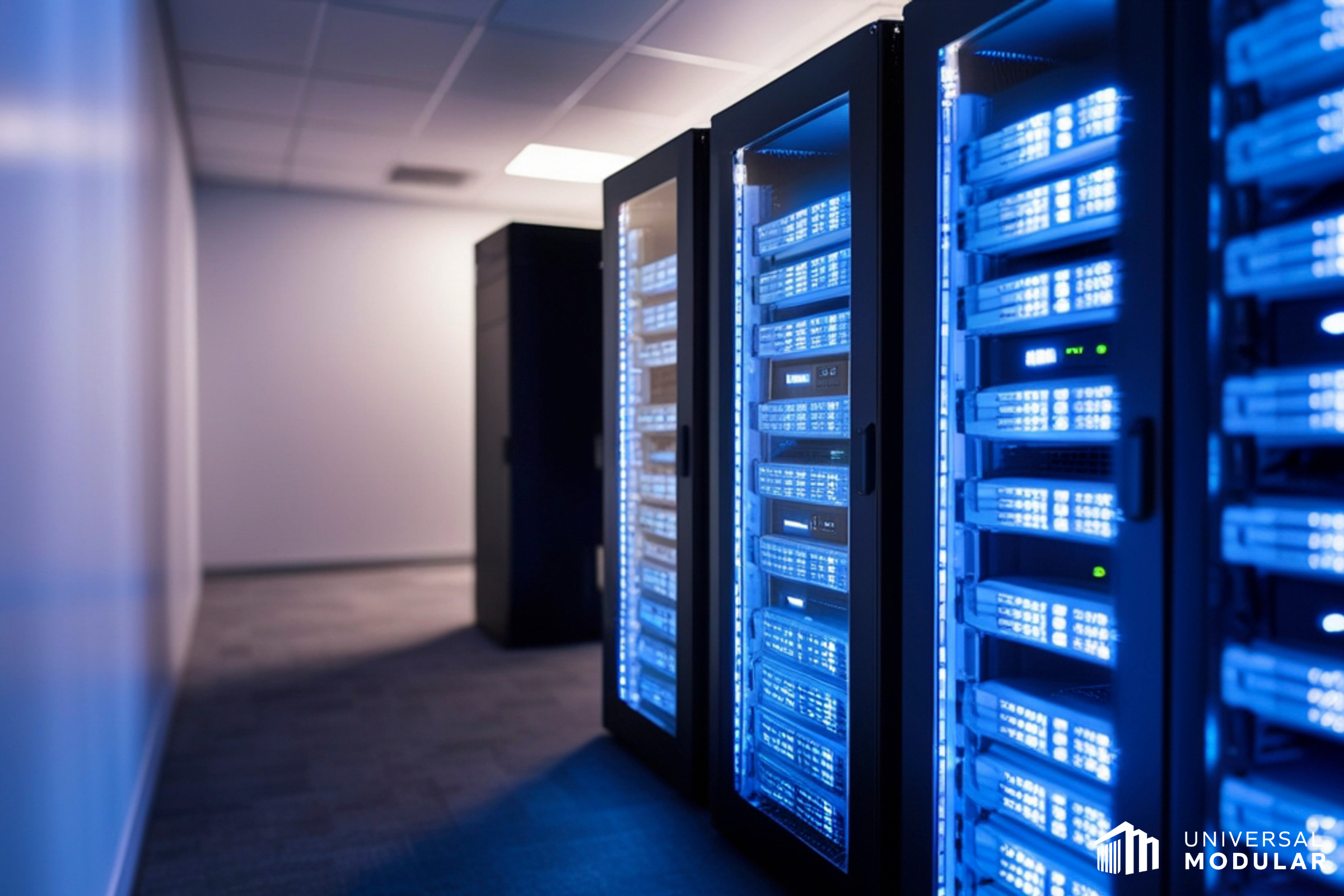
Artificial intelligence (AI) adoption is accelerating at a breakneck pace. With this rise in new technology comes the need for more of the facilities—known as data centers—that house the systems that support AI.
Both AI and data centers have become controversial topics amid concerns about oversight and environmental impacts. But data centers in particular are also having an impact on the modular construction industry, one that could cause delays for modular projects in the coming months and years.
Though there are many unknowns regarding how prevalent data centers will become, it is appearing increasingly important that clients who are preparing to embark on a new modular construction project move quickly before heightening demand for factory space worsens the bottlenecks already occurring across the industry.
Demand for Data Centers on the Rise
Technology firms and private companies alike are investing heavily in AI. According to Goldman Sachs research published in August 2026, AI investment is expected to reach $581 billion in the U.S. and to top $1 trillion globally this year alone.
Many tech companies have also recently announced new investments in data center infrastructure to support the world’s expanding use of AI—and new data centers are already popping up often. Earlier this year, an estimated 3,068 data centers were already operational in the U.S., and another 1,556 were in the planning stages, according to a Pew Research Center analysis. By early October, the country’s total number of data centers had already jumped to over 4,700, according to data compiled by Data Center Map.
Global interest in AI isn’t likely to fade anytime soon, which makes it vital to understand from a business perspective how this technology trend is impacting—and will continue to impact—the world of modular construction.
Modular Option a Boon for Data Centers
Part of the reason that the number of data centers operating across the country has climbed so swiftly is because those spaces are already needed to support the growing demand for AI. It follows that the companies that need to build data centers are looking for the speediest option available to get their next facility up and running as quickly as possible.
Modular facilities can be built faster and with a higher level of quality control than traditional ground-up construction. Additionally, because modular facilities are fabricated in a factory setting, projects are not impacted by weather delays and can be transported to their intended location for installation once complete.
For the modular construction industry, data centers represent a huge business opportunity. The Modular Building Institute’s (MBI) 2026 U.S. Permanent Modular Construction Industry Report released in July 2026 put data centers at No. 3 on its list of the “most important” likely industry drivers through 2031, with the speed, quality, and predictability of modular construction propelling the modular data center trend.
There are, however, some potential drawbacks for other modular projects.
There’s Only So Much Factory Time and Space Available
Once a modular facility’s factory time is scheduled, the fabrication process typically moves quickly. But booking time in a factory is becoming increasingly difficult due to the skyrocketing number of data center projects in the works.
As of May 2026, the construction of more than 60% of data center projects that were initially slated to be completed next year hadn’t yet begun, and another 7% were experiencing additional delays, according to an analysis published by JP Morgan researchers.
Those delays are already evident in modular factories. A year ago, a modular construction project’s line time typically began between six to eight months after its purchase order (PO) was issued. That has now increased to nine to 12 months as demand for modular data centers has increased. It also now takes more time to secure some of the materials needed for modular projects, including some heating, ventilation, and air conditioning (HVAC) units, doors, and other radio frequency (RF) shielding components.
This doesn’t mean that every project won’t get done; it just means that clients may have to wait a bit longer for their facility to be completed. With MBI anticipating that data center construction spending will have increased by 20% year-over-year by the end of 2026, this project pile-up seems likely to continue for the next 18 to 24 months.
Act Fast Now to Avoid Delays Later
What are non-data center modular construction clients to do?
The key is simply to get the ball rolling. Any client who needs a modular building should get the planning process started now so that they can secure their PO and get their building’s design approved. Once those tasks are complete, factory line time can be booked and the project can begin moving forward.
Contact Universal Modular, Inc. today to get started.